Diagnosing Silently Progressing: How to Identify and Treat Diabetic Retinopathy in Howrah and Beyond
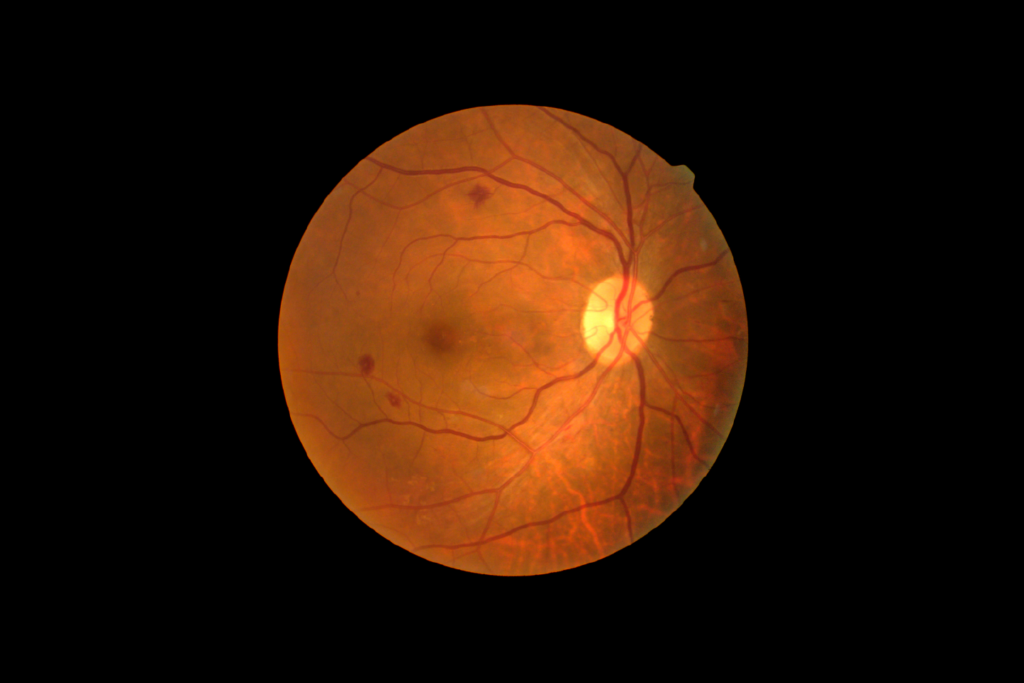
Diabetes is a "silent condition" due to the fact that it silently impacts multiple body organs long before you even notice the first symptoms. Among them is diabetic retinopathy, a serious condition that damages small blood vessels of the retina.
At Drishtipath Eye Hospital, we understand from the several years of practice of how dangerous late detection of some eye diseases can be and turn them into irreversible vision loss. So, if you or a loved one are living with diabetes, understanding Diabetic Retinopathy in Howrah is one of the most vital steps you can take toward preserving your long-term visual health.
What Is Diabetic Retinopathy?
The retina is a light-sensitive tissue located in the back of your eye that is responsible for recording images and sending them to your brain through the optic nerve. In order to work properly, the retina requires a rich supply of oxygen and nutrients delivered by blood vessels.
If blood sugar stays consistently high during a prolonged period of time, this leads to the development of progressive damage of small blood vessels in your retina:
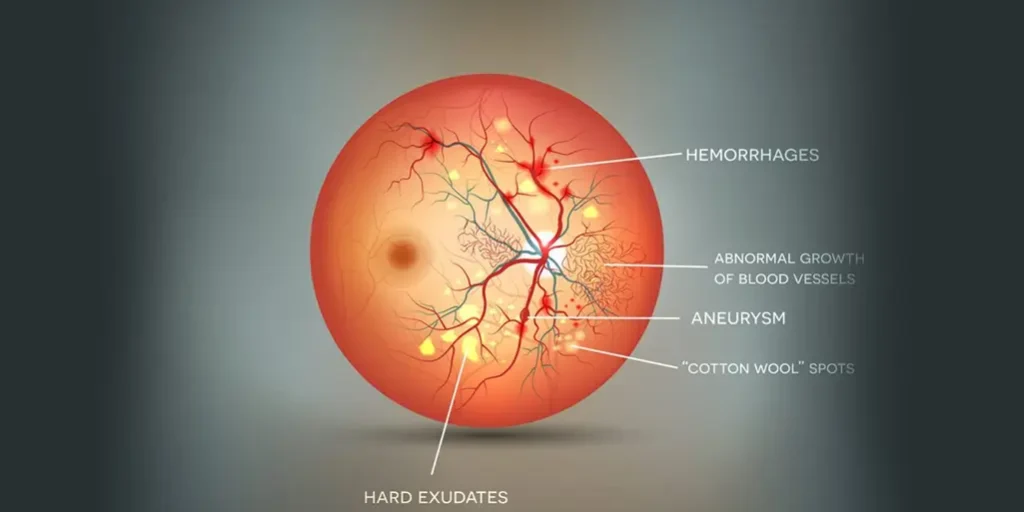
- Vessel Leakage: Persistently high blood sugar causes leakage of fluids, lipids, and even blood into the surrounding retina tissue.
- Blood Vessel Blockage: Small blood vessels get damaged and blocked and thus do not allow supplying oxygen and nutrients to retina areas.
- Growth of Abnormal Blood Vessels: Due to lack of oxygen, your body starts growing new blood vessels. Unfortunately, these abnormal vessels are very fragile and susceptible to bleeding into the vitreous gel of your eye.
Key Takeaway: Diabetic retinopathy is not caused by a single day of high blood sugar. It is the result of uncontrolled diabetes over months and years and requires regular retinal checkups of every patient who has diabetes.
Stages Of Diabetic Retinopathy
Diabetic retinopathy occurs gradually and is categorized in two main groups: Non-Proliferative (NPDR) with mild, moderate, and severe sub-stages, which progresses to Proliferative (PDR) with fragile new vessel growth, and eventually leads to advanced complications such as retinal detachment and glaucoma.
1. Non-Proliferative Diabetic Retinopathy (NPDR)
This is an early or moderate stage of the retinal disease. There are three main sub-stages of NPDR:
- Mild NPDR: Tiny swelling appears in the shape of a balloon in the tiny blood vessels of the retina. They can leak fluid, and this process can stay unnoticed unless you do some special eye examination.
- Moderate NPDR: In this case swollen blood vessels are distorted and stop delivering blood.
- Severe NPDR: Multiple vessels are blocked, which causes serious lack of oxygen supply for large areas of the retina. At this stage, signals are triggered for new vessel growth.
2. Proliferative Diabetic Retinopathy (PDR)
PDR is an advanced stage of the disease that is threatening vision loss. Due to oxygen deficiency, your retina secretes growth factors that cause proliferation of abnormal, very fragile new blood vessels. They start growing on the surface of the retina and into the vitreous gel of your eye. Since such fragile vessels are easily bleeding, they can cause visual disturbances and vision loss.
3. Diabetic Macular Edema (DME)
DME can occur at any stage of diabetic retinopathy. This is a condition in which leaking fluid makes your macula, which is responsible for sharp and straight-ahead vision, swollen. DME is the leading cause of vision loss for people with diabetes.
Why Diabetic Retinopathy in Howrah Demands Immediate Awareness
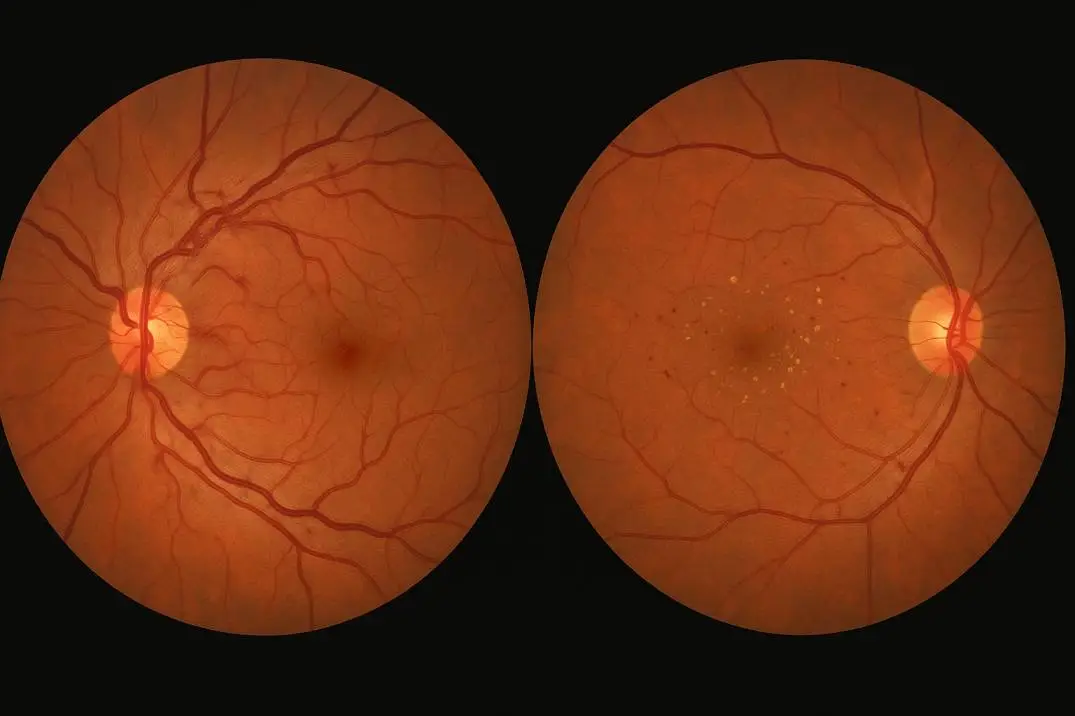
The number of cases of type 2 diabetes in urban and suburban centers of West Bengal, like Howrah, increases every year. Changing life style, nutrition, stress, and genetic disposition are the reasons why there are so many patients with diabetes in our region.
Despite the high number of diabetic people in Howrah, awareness about retinal screenings is still very low, and many of them visit eye specialists only when they face severe visual symptoms. At Drishtipath Eye Hospital, our mission is to make advanced retinal diagnostics and specialized treatments easily accessible to every resident in and around Howrah.
Symptoms And Warning Signs: What to Pay Attention To
At an early stage (mild and moderate NPDR) there are no visual symptoms, and you can have normal 20/20 vision while having micro-damages in the back of your eye.
At a more advanced stage, you may have these symptoms:
Warning Signs of Advanced Diabetic Retinopathy
- Blurry or Distorted Vision: You have problems with reading fine print, recognize faces, or see street signs. It can be caused by macular edema.
- Floaters and Cobwebs: Appearance of dark spots, threads, or cobweb-like squiggles floating in your vision. It shows that you have minor bleeding in the vitreous.
- Fluctuating Vision: The change between clear and blurry vision depends on your blood sugar levels.
- Dark or Empty Areas: There are blind spots or dark patches appearing in your central or peripheral vision field.
- Poor Night Vision: It is difficult for you to see in low-light environments or adjust to darkness.
- Sudden Vision Loss: You have a sudden dark curtain or veil appearing in front of your eyes. This means major vitreous hemorrhage or retinal detachment.
Warning: If you experience sudden vision loss or the appearance of many floaters, you should contact our eye specialists immediately.
Who is Most at Risk?
Anyone with Type 1, Type 2, or gestational diabetes can develop complications in retinas. But there are several risk factors that accelerate development:
- Duration of Diabetes: The longer you have diabetes, the more chances you have of retinal damage. Over 60% of diabetic people have signs of retinopathy in 15-20 years.
- Poor Glycemic Control: Unstable or persistently high levels of HbA1c increase retinal microvessel damage.
- High Blood Pressure (Hypertension): Uncontrolled blood pressure puts additional mechanical stress on your eye capillaries.
- Elevated Blood Cholesterol: High lipid levels increase the chances of fatty deposit (hard exudate) leakage into the macula.
- Kidney Disease (Nephropathy): Damage of microvessels in the kidneys usually occurs at the same time as eye capillaries' damage.
- Smoking & Alcohol: Tobacco use damages the walls of all vessels in your body and reduces oxygenation of ocular tissues.
State-of-the-Art Diagnostic Tools at Drishtipath Eye Hospital
The early identification of disease signs and symptoms is the best way to prevent any harm to your health and even to save your life. Early detection of retinal abnormalities at our clinic, which is equipped with the latest ophthalmologic equipment, can save your eyesight from any abnormalities of the retina before the appearance of symptoms.
Our Retinal Diagnostic Suite
- Comprehensive Dilated Exam: With special drops, we will enlarge your pupils and perform an examination of your retina, optic disc, and macula.
- Optical Coherence Tomography (OCT): A non-invasive, light-based diagnostic tool that provides high-resolution, cross-sectional, 3D mapping of your retina. It allows us to measure the thickness of the retina and diagnose macular edema (retina swelling) at the earliest stages.
- Fundus Fluorescein Angiography (FFA): This diagnostic method requires injection of a safe organic dye into the vein in your arm. As the dye moves through the retinal blood vessels, we capture the images of the process. This method reveals blocked blood vessels, areas without oxygen, and fluid leakage.
- Digital Fundus Photography: The digital fundus camera takes photographs of your retina and allows you to track the disease progress during regular annual visits.
Modern Treatment Options for Diabetic Retinopathy
Though it may not always be possible to cure diabetic retinopathy, modern advances in medicine make it possible to treat the disease, stabilize your vision, and avoid losing it completely. At Drishtipath Eye Hospital, we provide individualized treatment according to your peculiarities and the stage of your condition.
A. Intravitreal Anti-VEGF Injections
Vascular Endothelial Growth Factor (VEGF) is a protein that appears in response to oxygen deprivation and leads to fluid leakage and abnormal vessel growth. Anti-VEGF injections block the signaling.
How It Works: Anti-VEGF injections are administered directly into the vitreous gel of the eye under local anesthesia.
Benefits: With anti-VEGF injections, it is possible to decrease retina swelling, stop the growth of abnormal vessels, and sometimes restore vision.
B. Intravitreal Steroid Implants
These tiny, slow-release implants can be injected into the eye of patients with chronic macular edema or unresponsive to anti-VEGF therapy.
C. Retinal Laser Photocoagulation
Retinal laser photocoagulation is one of the cornerstones of the long-term management of the disease:
- Focal/Grid Laser: Laser targets precise points of micro-leakage around the macula to seal the vessels and decrease local retina swelling.
- Pan-Retinal Photocoagulation (PRP): This method is used in case of advanced Proliferative Diabetic Retinopathy (PDR). Controlled patterns of tiny burns applied by the laser shrink abnormal blood vessels and prevent future bleeding.
D. Vitrectomy Surgery
In cases when bleeding fills the vitreous cavity (vitreous hemorrhage) or scar tissue pulls the retina from the back of the eye (tractional retinal detachment), we perform a vitrectomy.
In the process of vitrectomy, our retinal surgeons remove the blood-filled gel, cut away scar tissue, perform laser treatment inside the eye, and stabilize the retina using gas or silicone oil.
The "ABC" Strategy to Preserve Your Eyesight at Home
While hospital interventions allow you to stabilize existing damage, there is another equally important aspect of preserving your vision: at-home treatment. According to endocrinologists and ophthalmologists, it is necessary to follow the "ABC Strategy":
The ABC Strategy
- A - A1C Control: Try to keep your HbA1c below 7.0% (as recommended by your physician). Stable blood sugar drastically slows down microvascular damage.
- B - Blood Pressure: Keep your blood pressure within the normal target range (usually below 130/80 mmHg) to preserve delicate retinal capillaries.
- C - Cholesterol: Manage LDL ("bad") cholesterol and triglycerides with the help of proper nutrition, physical exercise, and medications to prevent lipid leakage into the macula.
Important Screening Schedule for Diabetics
- Type 2 Diabetes: Schedule a comprehensive dilated eye examination at once after your diagnosis and every year afterward.
- Type 1 Diabetes: Perform a dilated eye examination within 5 years after your diagnosis and then every year.
- Pregnant Diabetics: Women with preexisting diabetes, who are planning to become pregnant, should perform a comprehensive eye examination before pregnancy and during each trimester.
Why Choose Drishtipath Eye Hospital for Diabetic Retinopathy in Howrah?
When it comes to such a serious condition as diabetic retinopathy, experience, state-of-the-art technologies, and an individual approach become essential. That is why our clinic is preferred by people living in Howrah and its vicinities for the following reasons:
Why Patients in Howrah Choose Us
- Experienced Retinal Specialists: Our clinic has ophthalmologists and retinal surgeons who are experienced in using modern laser treatments, intravitreal treatments, and vitreoretinal surgery.
- State-of-the-Art Diagnostic Facilities: From high-definition OCT to digital fundus cameras, we use all the precise diagnostic tools that allow us to detect structural changes at the earliest stages.
- Comprehensive Patient Care: We cooperate closely with your diabetologist or physician and provide the treatments corresponding to your diabetes treatment.
- Accessible & Affordable Healthcare: We believe that excellent eye care should be accessible for all people in our community, and we provide clear recommendations and affordable care plans.
Take Charge to Care Your Vision today!
Vision loss caused by diabetes can be prevented. Do not let the blurry vision, floaters, or dark spots affect your life.
Are you looking for diabetic retinopathy treatment in Howrah? The experienced professionals at Drishtipath Eye Hospital will help you to cope with this problem step-by-step.
Contact us today for scheduling your comprehensive retinal evaluation!