How to Protect Your Vision: Everything about Diabetic Retinopathy in Howrah
For patients with diabetes, controlling blood sugar levels, maintaining healthy eating habits, and being physically active are essential. However, there is one aspect of diabetic health that usually gets neglected until irreversible consequences arise—your vision.
Our clinic, Drishtipath Eye Hospital, sees many cases of gradual deterioration of eyes due to diabetic complications. Among all, Diabetic Retinopathy in Howrah has become one of the fastest-growing concerns in public health, affecting thousands of diabetic individuals across the area.
Below you will find complete information regarding the connection between diabetes and vision, the importance of regular eye check-ups, and advanced methods of diagnosis and treatment we apply to prevent you from becoming blind.
What is Diabetic Retinopathy?
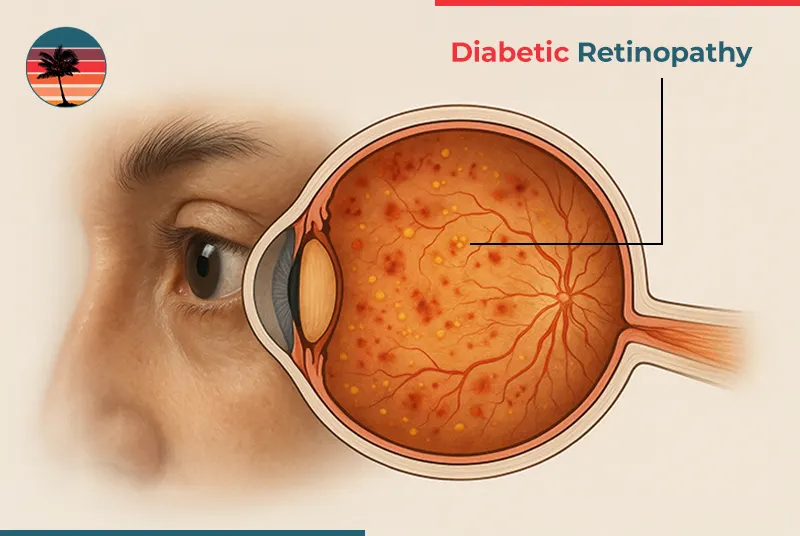
Diabetic retinopathy is a microvascular complication that develops due to persistently elevated blood glucose levels. In time, high sugar content in the blood destroys the tiny blood vessels supplying the retina—the light-sensitive tissue in the back part of your eye responsible for your clear vision.
In general, the disease progresses in two major stages:
Stages of Diabetic Retinopathy
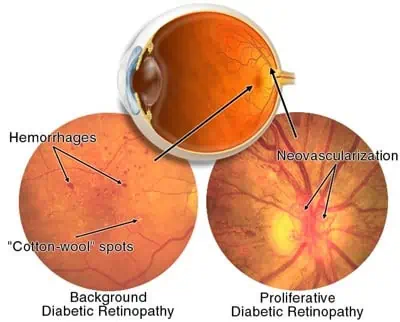
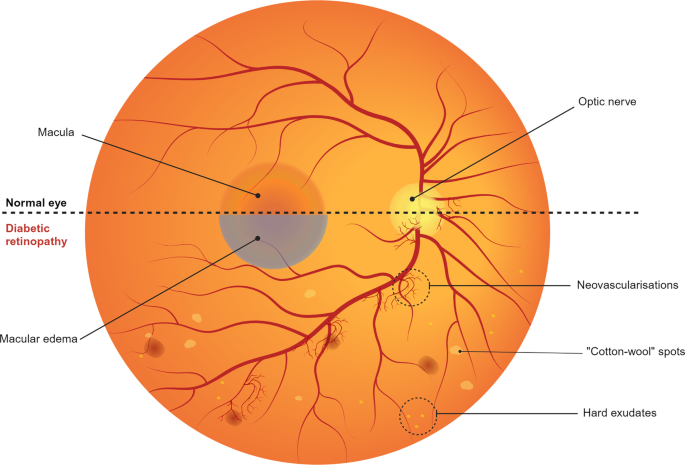
- Non-Proliferative Diabetic Retinopathy (NPDR): At this early stage, the retinal blood vessels start getting weak, developing small protrusions called 'microaneurysms,' which sometimes break and allow fluid and blood into the retina. If this fluid leaks into the central part of the retina (macula), it results in diabetic macular edema (DME), causing blurred vision.
- Proliferative Diabetic Retinopathy (PDR): At this late stage, the lack of proper blood supply causes the retina to grow abnormal, fragile blood vessels, which may start leaking blood into the jelly-like substance located in the center of the eye (vitreous hemorrhage) or cause scar tissue buildup, which detaches the retina from the back of the eye (tractional retinal detachment).
Importance of Awareness of Diabetic Retinopathy in Howrah
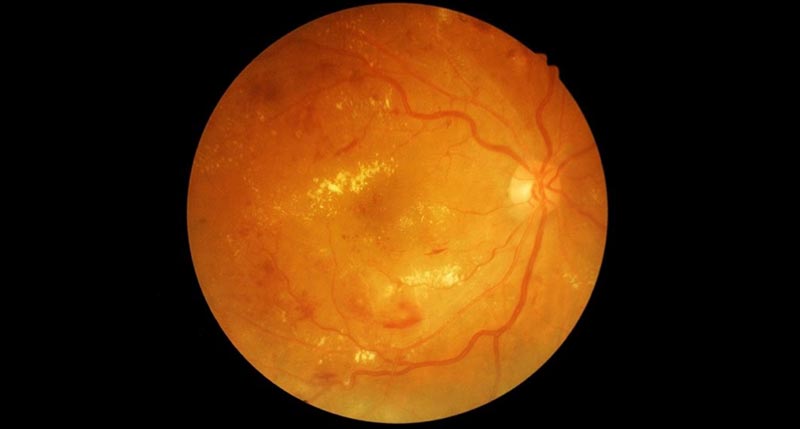
The increasing number of cases of type 2 diabetes among the urban and semi-urban populations of West Bengal puts people at greater risk of diabetic complications now. Regrettably, this condition is known as the 'silent thief of sight' because during the early stages it produces few or no symptoms and pain. Only when the patient starts noticing black spots or floaters or sudden blurring of vision can the damage done to the retina be irreparable.
Factors Increasing the Risk of Developing Diabetic Retinopathy
- Length of Time Living with Diabetes: The longer a person has diabetes, the bigger the chance he or she will have retinal changes.
- Badly Controlled Blood Sugar and Hypertension: Varying glucose level and elevated blood pressure place additional stress on the retinal vessels.
- Varying Lipid Levels: Elevated cholesterol increases fluid leakage in the macula.
Advanced Diagnostics and Treatment Methods for Diabetic Retinopathy
The earliest detection is the strongest way to prevent your vision loss. At Drishtipath Eye Hospital, we provide a specialized package of diagnostic and therapeutic measures specifically developed for patients with diabetic eye disease:
Our Specialized Treatment Options
- State-of-the-Art Retinal Screenings: With a high-resolution fundus camera and optical coherence tomography (OCT), our specialists conduct detailed analysis of the retina and detect any possible signs of microaneurysms or swelling before your vision gets affected.
- Laser Therapy for Advanced Retinopathy: For treating advanced forms of diabetic retinopathy, our specialists apply safe and effective green-laser photocoagulation, which stops leaking blood vessels and shrinks newly grown vessels, preventing serious bleeding inside the eye.
- Anti-VEGF Intravitreal Injections: To combat advanced diabetic macular edema, our vitreoretinal specialists provide you with special injections minimizing swelling and abnormal vessel growth and improving your visual acuity significantly.
Eye Care Routine for Patients with Diabetes
If you suffer from diabetes, we highly recommend adopting the following preventative measures into your daily routine:
Preventative Measures
- Take a Yearly Dilated Eye Exam: Don't wait for your vision to change. A comprehensive eye examination conducted with the use of pupil dilation allows an ophthalmologist to view the whole retina.
- Maintain Stable ABCs: Regular monitoring of A1C (blood sugar), blood pressure, and cholesterol levels in coordination with your general physician.
- Watch for the Symptoms Appearing Suddenly: If you experience such symptoms as black spots, cobwebs, sudden blurring of your vision or blind spots, get an immediate emergency eye exam.
Protect Your Vision
No matter whether you or your family member suffers from Type 1 or Type 2 diabetes, taking a yearly dilated eye exam should be a priority. Early detection and timely treatment of diabetic retinopathy in Howrah can help prevent vision loss and protect your eyesight for years to come. Don't ignore your vision.
Book your retinal examination at Drishtipath Eye Hospital and keep the world around you in full view!